
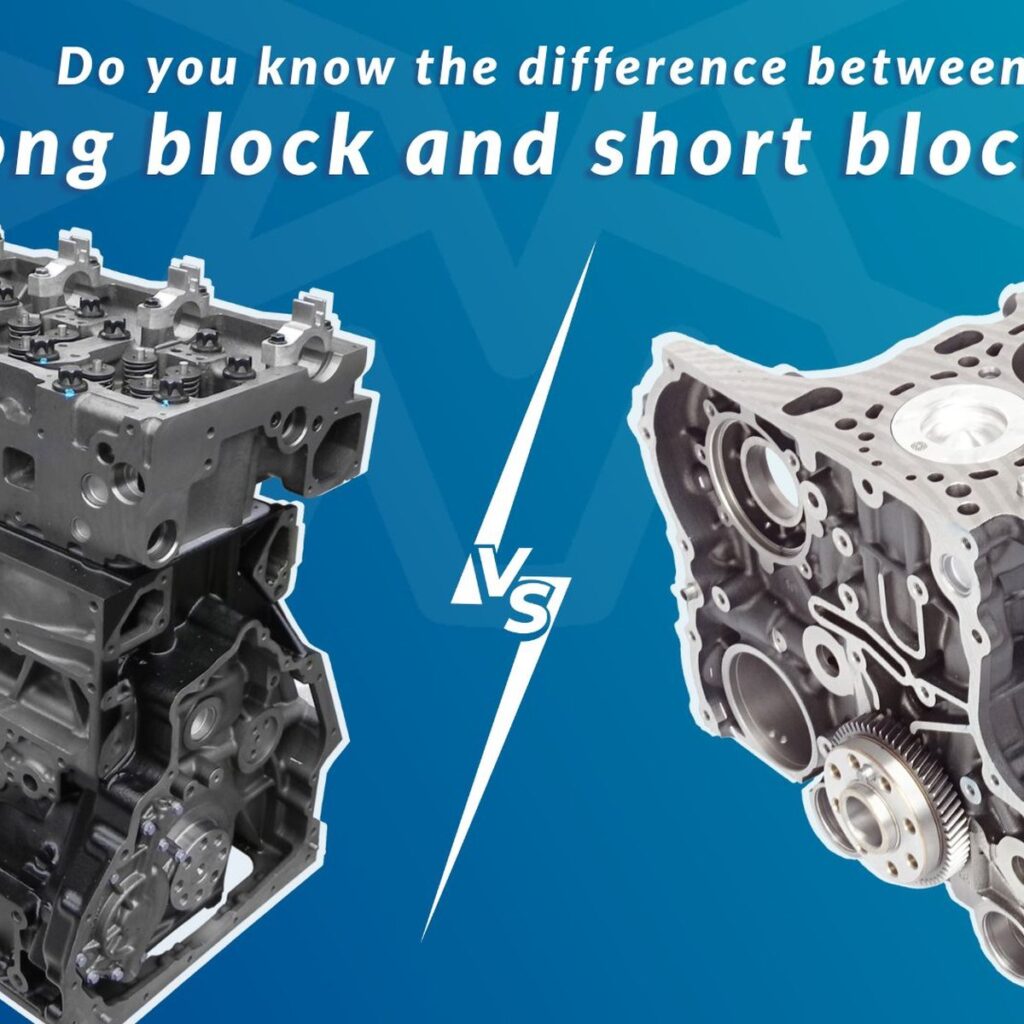
What Is a Long Block Engine? Complete Guide + Long Block vs Short Block
What Is a Long Block Engine? The Complete Buyer’s Guide (2026) When your engine fails, you face a decision that affects your wallet, your downtime and your vehicle’s future: repair it piece by piece, or replace it with a long block engine. This guide explains exactly what a long block engine is, what it includes, how it differs from short blocks and crate engines, what it costs, and how to choose the right one — written by the engine specialists at NH Race Engine. What Is a Long Block Engine? A long block engine is a partially assembled engine that includes the engine block with rotating assembly (crankshaft, pistons, connecting rods) plus the cylinder heads, valvetrain and camshaft — already installed, torqued to specification and ready to receive your external components. The name comes from the engine’s appearance: compared to a bare “short block,” the long block is “longer” because the cylinder heads sit on top, extending the assembly upward. What a long block engine includes: Engine block (machined, bored/honed to specification) Crankshaft, camshaft and bearings Pistons, piston rings and connecting rods Cylinder heads (remanufactured or new, fully assembled) Valvetrain: valves, springs, lifters, pushrods, rocker arms Head gaskets, timing components and front/rear seals Oil pump (on most long blocks) Valve covers and timing cover (varies by supplier) What a long block engine does NOT include: Intake manifold Carburetor or fuel injectors Exhaust manifolds or headers Distributor / ignition system Water pump Alternator and accessories Flywheel or flexplate Engine wiring harness and ECU (where applicable) This makes the long block engine the middle ground between a bare short block and a complete turn-key engine — the ideal choice when your existing external components (intake, carburetor, ignition) are still in good condition and simply transfer over. Remanufactured long block engine side view with cylinder heads and valvetrain installed Long Block vs. Short Block vs. Crate Engine This is the most common question buyers ask — and the answer determines how much work, cost and risk you’re taking on. Short Block The foundation only. Block, crank, pistons, rods and bearings. No heads, no valvetrain. You supply and install everything above the deck. Cheapest entry price, highest labor requirement, and the most room for assembly error if you’re not an experienced engine builder. Long Block The short block plus cylinder heads, valvetrain and camshaft. Everything inside the engine is assembled and torqued to spec. You transfer your intake, exhaust, ignition and accessories. The most popular choice for engine replacement because it balances price, labor and reliability. Crate Engine Marketing term, not a technical one. A crate engine is simply any engine shipped in a crate. In practice it usually means a long block (remanufactured or new) with more components included — sometimes a full engine with intake, ignition and sometimes even a warranty-backed turn-key package. Always verify exactly what “crate engine” means from each supplier: one vendor’s crate engine is another vendor’s long block. Complete / Turn-Key Engine Everything included down to the wiring and sometimes the ECU. Most expensive, but zero assembly labor. Rare in the classic and remanufactured market. Feature Short Block Long Block Crate Engine Complete Engine Block + rotating assembly ✅ ✅ ✅ ✅ Cylinder heads + valvetrain ❌ ✅ ✅ ✅ Intake + fuel system ❌ ❌ Sometimes ✅ Ignition + accessories ❌ ❌ Sometimes ✅ Labor required High Medium Low None Typical price range € €€ €€–€€€ €€€€ Best for Engine builders Replacements Swaps & upgrades Zero-hassle installs Bottom line: for 90% of engine replacement jobs — especially classic GM, Ford, Mopar and European applications — a remanufactured long block engine delivers the best value per euro. Remanufactured vs. Rebuilt Long Block Engines Not all long blocks are equal. The two terms sound similar but represent very different quality levels. Rebuilt engine The failed engine is repaired — only the broken or worn-out parts are replaced. Everything else is reused as-is, often without machining. A rebuilt engine can be perfectly fine, but quality depends entirely on who did the work, and there’s usually no standardized testing or meaningful warranty. Remanufactured long block The core is completely disassembled to individual components. Every part is cleaned, crack-tested, measured and machined back to OEM tolerances or better. Wear items are replaced new. The finished engine is assembled in a controlled environment, torque-checked, and often pressure- and run-tested before crating. Remanufactured engines from reputable suppliers like VEGE, ATK or Powertrain Products carry real warranties because they’re built to a documented standard, not repaired to “good enough.” When comparing long block engine offers, always ask: “Is this remanufactured or rebuilt? What testing does it undergo? What warranty backs it?” The answers tell you everything about what you’re actually buying. How Much Does a Long Block Engine Cost? Pricing depends on engine family, displacement, and remanufacture quality, but realistic ranges for the European market: Engine Type Typical Applications Price Range (EUR) 4-cylinder long blocks VW, Ford, Opel, Japanese applications €900 – €2,200 V6 long blocks GM 3.8, Ford Cologne, European V6 €1,800 – €3,500 Small-block V8 long blocks Chevy 350, Oldsmobile 307, Ford 302 €2,500 – €5,000 Big-block & diesel long blocks Big-block V8, truck & marine diesels €4,000 – €10,000+ Add roughly €400–€1,200 for the parts you’ll always want to replace at install: gaskets beyond the set, water pump, thermostat, belts, hoses, fluids, spark plugs and engine mounts. Skipping these on a fresh long block is the most common cause of premature second failure — and usually voids your warranty. How to Choose the Right Long Block Engine Follow this checklist before ordering: 1. Confirm your exact engine code Not “a 350 Chevy” — the casting number, VIN derivative or engine serial. Two engines with the same displacement can have different camshafts, head designs, balance requirements and sensor provisions. 2. Match the variant, not just the displacement Example from our own inventory: the Oldsmobile 307 V8 exists in roller-cam (1985–1990) and non-roller (1980–1984) variants — different VEGE codes, different applications. The […]