
Marine X Engines

Author name: admin

4.3L V6 marine engine
Uncategorized

How to Repower Your Boat with the Best 4.3L V6 Marine Engine

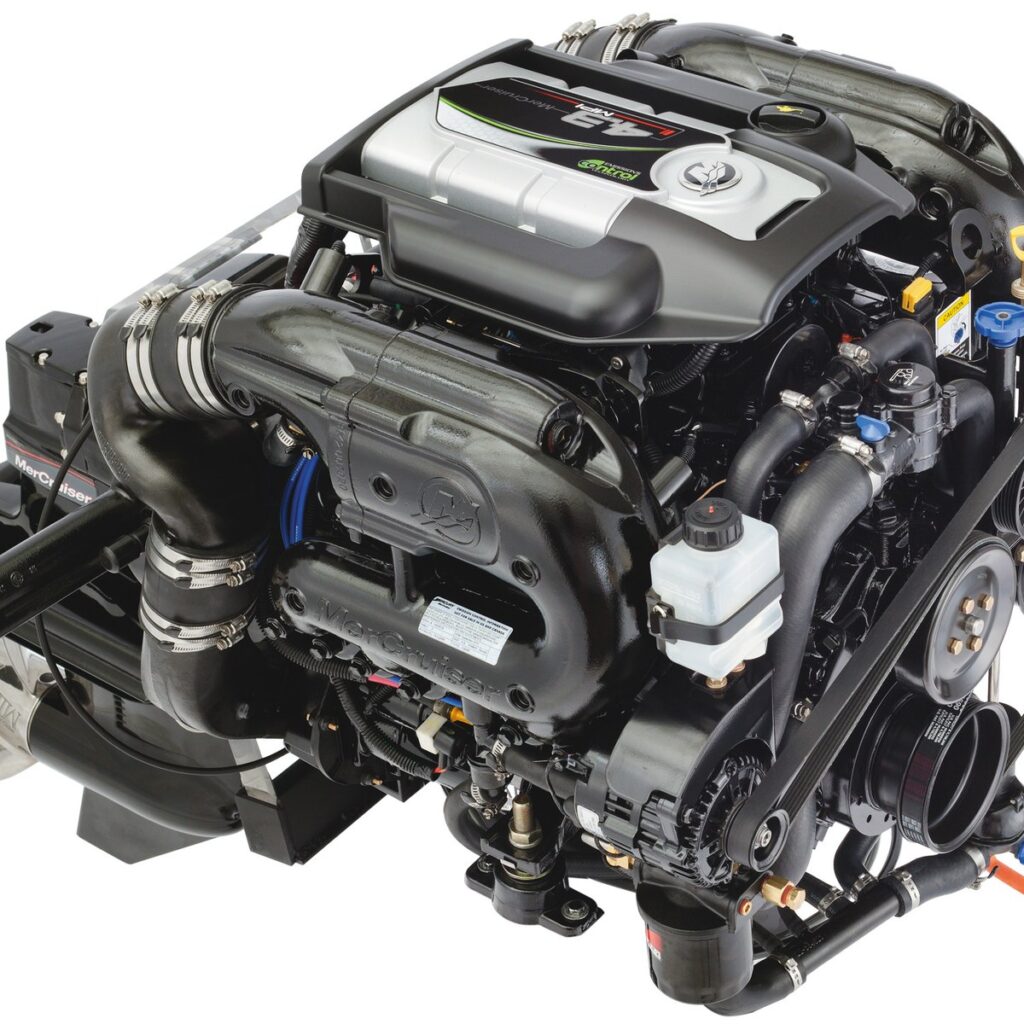
Are you dealing with a tired, rusted, or cracked marine engine? If your boat is spending more time on the trailer than on the water, it is time to consider a repower. Upgrading your propulsion system is the most cost-effective way to bring a reliable boat back to life without the massive price tag of buying a brand-new vessel. explore the 5.7L 350 HO 333 HP turnkey crate engine When it comes to dependable, everyday performance, the ATK DM29 Marine 4.3L V6 Long Block is the industry standard for recreational runabouts, cruisers, and workboats. In this comprehensive guide, we will break down why this specific marine crate engine is the ultimate replacement block for your boat, what makes a true marine engine unique, and how to execute a seamless swap. see our remanufactured GM 60° V6 3.1L long block Why Choose the ATK DM29 4.3L V6 Marine Engine? The 4.3L V6 engine configuration is legendary in the boating world. Originally developed by General Motors, this platform has powered millions of stern-drive and inboard boats worldwide due to its compact size, excellent power-to-weight ratio, and exceptional fuel efficiency. General Motors shop our remanufactured 3.8L V6 long block crate engines The ATK DM29 is engineered specifically as a drop-in replacement for major marine brands, making it a highly versatile option for boat owners throughout Europe. compare the 6.2L 376 L92 remanufactured long block Key Technical Specifications: Engine Displacement: 4.3 Liters (262 Cubic Inches) Configuration: V6 Long Block (Includes block, cylinder heads, oil pan, and valve covers) Compatibility: Direct fit for Mercruiser, Volvo Penta, and OMC applications Material Spec: High-strength cast iron block with marine-specific internal components Automotive vs. Marine Crate Engines: The Critical Difference A common mistake among DIY builders is attempting to drop a standard automotive engine into a boat. While an automotive engine and a marine engine might look identical on the outside, their internal architectures are completely different. Using a car engine in a marine environment will result in catastrophic engine failure. Here is why a purpose-built block like the ATK DM29 is mandatory for your boat: 1. Severe Load Conditions Automotive engines cruise at low RPMs and use transmission gears to accelerate. A marine engine operates under a constant, heavy load—essentially climbing a steep hill at full throttle every time it pushes through the water. Marine long blocks feature unique camshaft profiles designed to deliver maximum low-end torque to get your boat on plane quickly. 2. Corrosion and Moisture Protection Cars use closed cooling systems with radiators. Boats frequently pull water directly from the environment (lakes, rivers, or oceans) to cool the engine block. The ATK DM29 features heavy-duty brass freeze plugs and marine-grade gaskets to prevent internal corrosion and rust-through. 3. Marine-Grade Sealing Marine engines must prevent moisture from entering the combustion chambers through the exhaust system (a process known as water ingestion). The valve timing and internal seals on a marine crate engine are configured specifically to mitigate this risk during rapid deceleration.   What is Included in a Long Block Crate Engine? When shopping for replacements, you will encounter the terms “Short Block,” “Long Block,” and “Turn-Key.” The ATK DM29 is a Long Block, which represents the most cost-effective balance for a repower project. It includes the engine block, crankshaft, pistons, connecting rods, cylinder heads, valvetrain, oil pan, and valve covers. Because it comes pre-assembled from the factory, you get a fresh core with a factory warranty while saving money by transferring your existing, functioning external parts over from your old engine. These parts include: How to Prepare for Your Marine Repower Swapping out your engine requires careful preparation to protect your investment. Follow these key steps before dropping your new ATK DM29 into the engine bay: Top Crate Engines for Marine & Street Performance: 2026 Rankings Choosing the right crate engine can make or break your build. Whether you are repowering a boat or upgrading a classic muscle car, balancing horsepower, torque, and modern fuel delivery is crucial. We have ranked the top crate engines available at Marine X Engines based on performance, reliability, and value. From legacy big-blocks to modern self-learning EFI setups, here are our top picks for this year. 1. The Ultimate Classic Powerhouse: 1970 Chevelle SS 454 LS6 Engine (450 HP) For pure heritage and uncompromised big-block power, nothing touches the legendary LS6 454. Why It Placed #1:This engine represents the pinnacle of the golden era of muscle cars. It delivers incredible low-end torque and an unmistakable exhaust note right out of the box, offering a turn-key solution for purists who want true vintage performance without the hassle of rebuilding a legacy block. 2. Best Modern Tech Upgrade: ATK HP36C-EFI 383 Stroker (435 HP) If you want classic small-block architecture paired with turn-key reliability, this self-tuning EFI setup is the gold standard. Why It Placed #2:Carburetors have their charm, but electronic fuel injection (EFI) brings unparalleled consistency. The ATK HP36C-EFI eliminates the need for constant tuning, automatically adjusting to temperature and altitude changes while delivering a brutal 475 lb-ft of torque. 3. Maximum Power-to-Euro Value: ATK HP101C 383 Stroker (470 HP) For raw horsepower per euro spent, this naturally aspirated 383 Stroker offers the best performance bargain on the market. Why It Placed #3:Punching out 470 horsepower for under €6,000 is an incredible value. Built with high-quality components by ATK, this small-block configuration gives you big-block power levels without the added weight or spatial restrictions of a wider engine bay. 4. The Essential Marine Replacement: ATK DM29 Marine 4.3L V6 Long Block Repowering a boat requires specialized marine-grade construction to handle continuous load and harsh environments. Why It Placed #4:Not every build is about chasing high horsepower numbers. The ATK DM29 V6 is the backbone of recreational boating. It offers a cost-effective, durable solution to replace tired, rusted, or cracked marine engines, getting you back on the water quickly with full peace of mind. Buyers Guide: What to Look For in a Crate Engine Find Your Next Block Ready […]
long block engine
Uncategorized

What Is a Long Block Engine? Complete Guide + Long Block vs Short Block

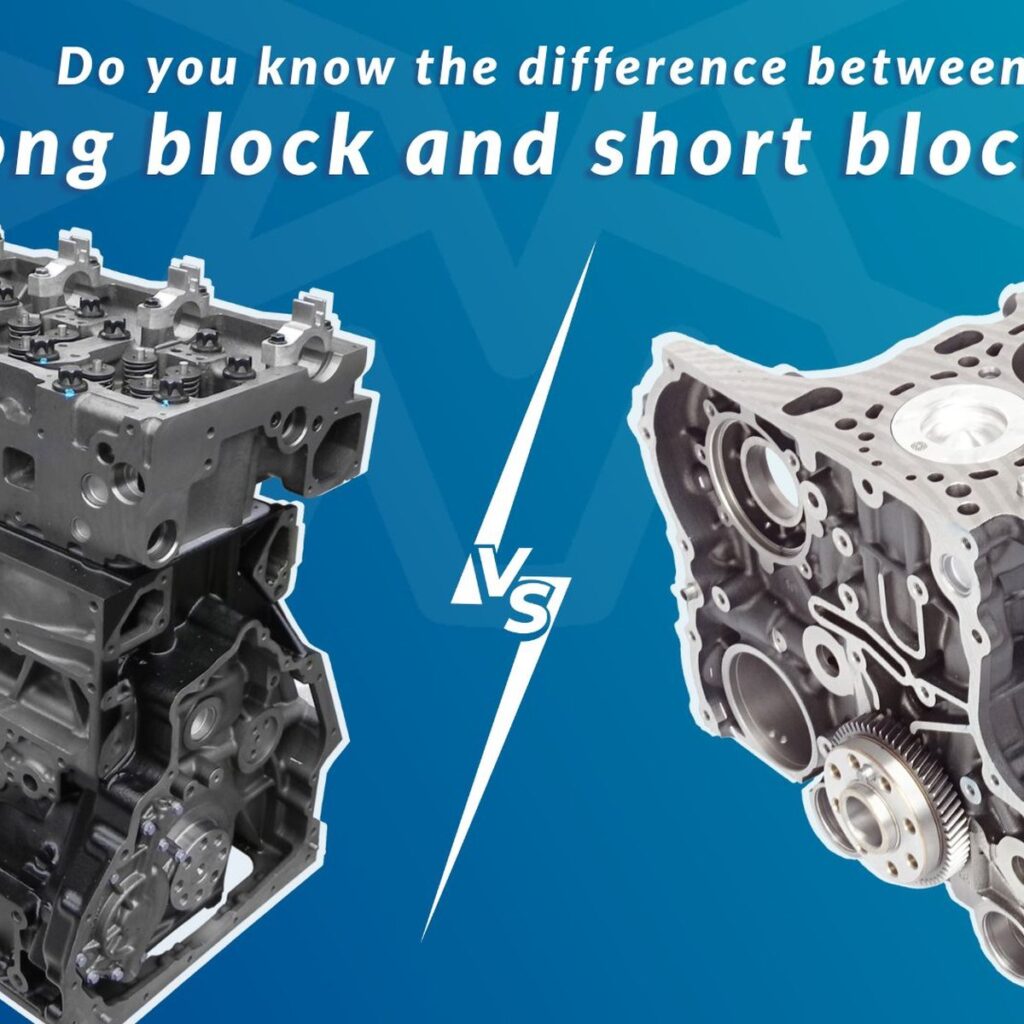
What Is a Long Block Engine? The Complete Buyer’s Guide (2026) When your engine fails, you face a decision that affects your wallet, your downtime and your vehicle’s future: repair it piece by piece, or replace it with a long block engine. This guide explains exactly what a long block engine is, what it includes, how it differs from short blocks and crate engines, what it costs, and how to choose the right one — written by the engine specialists at NH Race Engine. What Is a Long Block Engine? A long block engine is a partially assembled engine that includes the engine block with rotating assembly (crankshaft, pistons, connecting rods) plus the cylinder heads, valvetrain and camshaft — already installed, torqued to specification and ready to receive your external components. The name comes from the engine’s appearance: compared to a bare “short block,” the long block is “longer” because the cylinder heads sit on top, extending the assembly upward. What a long block engine includes: Engine block (machined, bored/honed to specification) Crankshaft, camshaft and bearings Pistons, piston rings and connecting rods Cylinder heads (remanufactured or new, fully assembled) Valvetrain: valves, springs, lifters, pushrods, rocker arms Head gaskets, timing components and front/rear seals Oil pump (on most long blocks) Valve covers and timing cover (varies by supplier) What a long block engine does NOT include: Intake manifold Carburetor or fuel injectors Exhaust manifolds or headers Distributor / ignition system Water pump Alternator and accessories Flywheel or flexplate Engine wiring harness and ECU (where applicable) This makes the long block engine the middle ground between a bare short block and a complete turn-key engine — the ideal choice when your existing external components (intake, carburetor, ignition) are still in good condition and simply transfer over. Remanufactured long block engine side view with cylinder heads and valvetrain installed Long Block vs. Short Block vs. Crate Engine This is the most common question buyers ask — and the answer determines how much work, cost and risk you’re taking on. Short Block The foundation only. Block, crank, pistons, rods and bearings. No heads, no valvetrain. You supply and install everything above the deck. Cheapest entry price, highest labor requirement, and the most room for assembly error if you’re not an experienced engine builder. Long Block The short block plus cylinder heads, valvetrain and camshaft. Everything inside the engine is assembled and torqued to spec. You transfer your intake, exhaust, ignition and accessories. The most popular choice for engine replacement because it balances price, labor and reliability. Crate Engine Marketing term, not a technical one. A crate engine is simply any engine shipped in a crate. In practice it usually means a long block (remanufactured or new) with more components included — sometimes a full engine with intake, ignition and sometimes even a warranty-backed turn-key package. Always verify exactly what “crate engine” means from each supplier: one vendor’s crate engine is another vendor’s long block. Complete / Turn-Key Engine Everything included down to the wiring and sometimes the ECU. Most expensive, but zero assembly labor. Rare in the classic and remanufactured market. Feature Short Block Long Block Crate Engine Complete Engine Block + rotating assembly ✅ ✅ ✅ ✅ Cylinder heads + valvetrain ❌ ✅ ✅ ✅ Intake + fuel system ❌ ❌ Sometimes ✅ Ignition + accessories ❌ ❌ Sometimes ✅ Labor required High Medium Low None Typical price range € €€ €€–€€€ €€€€ Best for Engine builders Replacements Swaps & upgrades Zero-hassle installs Bottom line: for 90% of engine replacement jobs — especially classic GM, Ford, Mopar and European applications — a remanufactured long block engine delivers the best value per euro. Remanufactured vs. Rebuilt Long Block Engines Not all long blocks are equal. The two terms sound similar but represent very different quality levels. Rebuilt engine The failed engine is repaired — only the broken or worn-out parts are replaced. Everything else is reused as-is, often without machining. A rebuilt engine can be perfectly fine, but quality depends entirely on who did the work, and there’s usually no standardized testing or meaningful warranty. Remanufactured long block The core is completely disassembled to individual components. Every part is cleaned, crack-tested, measured and machined back to OEM tolerances or better. Wear items are replaced new. The finished engine is assembled in a controlled environment, torque-checked, and often pressure- and run-tested before crating. Remanufactured engines from reputable suppliers like VEGE, ATK or Powertrain Products carry real warranties because they’re built to a documented standard, not repaired to “good enough.”   When comparing long block engine offers, always ask: “Is this remanufactured or rebuilt? What testing does it undergo? What warranty backs it?” The answers tell you everything about what you’re actually buying. How Much Does a Long Block Engine Cost? Pricing depends on engine family, displacement, and remanufacture quality, but realistic ranges for the European market: Engine Type Typical Applications Price Range (EUR) 4-cylinder long blocks VW, Ford, Opel, Japanese applications €900 – €2,200 V6 long blocks GM 3.8, Ford Cologne, European V6 €1,800 – €3,500 Small-block V8 long blocks Chevy 350, Oldsmobile 307, Ford 302 €2,500 – €5,000 Big-block & diesel long blocks Big-block V8, truck & marine diesels €4,000 – €10,000+ Add roughly €400–€1,200 for the parts you’ll always want to replace at install: gaskets beyond the set, water pump, thermostat, belts, hoses, fluids, spark plugs and engine mounts. Skipping these on a fresh long block is the most common cause of premature second failure — and usually voids your warranty. How to Choose the Right Long Block Engine Follow this checklist before ordering: 1. Confirm your exact engine code Not “a 350 Chevy” — the casting number, VIN derivative or engine serial. Two engines with the same displacement can have different camshafts, head designs, balance requirements and sensor provisions. 2. Match the variant, not just the displacement Example from our own inventory: the Oldsmobile 307 V8 exists in roller-cam (1985–1990) and non-roller (1980–1984) variants — different VEGE codes, different applications. The […]

Без рубрики

Standby vs Portable Generators: An Honest 2026 Comparison | EU

Standby vs Portable Generators: An Honest Comparison ![Portable inverter generator on a patio beside a permanently installed home standby generator](IMAGE 1 HERE)Most “standby vs portable” articles online are written by retailers who only sell one of them. We sell neither bias — we sell standby units, but the honest answer is that portable generators are the right choice for a large share of buyers, and the wrong choice for a different large share. Here’s how to know which group you’re in.If you’re earlier in the process, our home backup generator buyer’s guide covers sizing, fuel and total cost — this post is the fork in the road that comes before all of that. How They Actually Differ Table Portable Standby Purchase price €400–€1,500 from €2,480 installed-unit (13kW Briggs) Startup Manual, in the rain, possibly at 2 a.m. Automatic, under 60 seconds, even when you’re away Capacity 2–8 kW typical 13–26 kW residential, far beyond Fuel Petrol, stored in jerry cans Natural gas or LPG, plumbed in Runtime 8–12 hours per fill Effectively unlimited on gas Installation Extension cords Fixed install + transfer switch Noise 65–75 dB(A) under load ~60–68 dB(A), quiet weekly self-test Whole-house heat pump / well pump No Yes, if sized correctly Where Portable Generators Win Your outages are rare and short — a few hours a year, not days. Budget is the binding constraint — a €600 portable plus an inlet box covers essentials for under €1,000. You need power elsewhere — camping, market stalls, job sites. A standby unit never leaves home. You rent or plan to move — portables travel; standby units are part of the building. Choose an inverter model for sensitive electronics — clean power, quieter running, and far better fuel economy at light load. Where Standby Generators Win You leave home. Winter outage while you’re abroad for a week is the single strongest argument — frozen pipes don’t wait for your return. Heating matters. A portable won’t run your boiler or heat pump. A properly sized standby keeps the house warm indefinitely. Fuel logistics. Petrol goes stale, storage is limited and refueling a hot generator in a storm is genuinely unpleasant. Gas and LPG arrive by pipe or tank. Safety. Standby systems transfer power automatically and legally. Portable backfeeding through a window lead kills utility workers every year — and a proper transfer switch removes the temptation. Load size. Fridge, freezer, boiler, pumps, kitchen, office — past about 6 kW of essentials, portables run out of road. The Hidden Costs of the “Cheap” Option A €600 portable rarely stays €600: fuel stockpiling, stabilizer, oil changes every 50–100 hours, a weather cover, maybe an electrician-installed inlet and manual transfer switch (€300–€800), and eventually the inverter upgrade when the noise wears the household down. Over ten years of regular use, the honest total-cost gap narrows considerably — and a standby unit adds resale value to the property, which a portable never will. The Decision in Three Questions How often and how long do you lose power? Rare/blinking → portable. Multi-day events → standby. Must it work when nobody’s home? Yes → standby, automatically. Only when you’re there → portable is viable. What’s on the must-run list? Essentials under ~6 kW → portable with a proper inlet. Heating, pumps, workshop → size properly with our kW sizing guide and go standby. FAQ Should I buy a standby or portable generator? If outages are rare, short and you’re always home — portable wins on value. If outages last days, you travel, or heating must never stop — standby wins, and it isn’t close.Can a portable generator power a whole house? Not realistically. Whole-house loads start around 15 kW; portables top out around 8–10 kW at continuous rating. Essentials-only is the honest portable ceiling.Do I need a transfer switch for a portable generator? If you want to power hardwired circuits (boiler, well pump, fixed lights), yes — an inlet and manual transfer switch, installed by an electrician. Extension cords to free-standing appliances are the only cord-only safe option.Are standby generators loud? Modern residential units run about 60–68 dB(A) under load — roughly conversation volume at the property boundary — and far quieter in their automatic weekly self-test.What about inverter portable generators? They’re the best portable choice for electronics and noise, at roughly double the price of a conventional open-frame unit. For occasional outage duty, they’re worth it; for whole-house goals, they’re still a portable.

Uncategorized

Hello world!

Welcome to WordPress. This is your first post. Edit or delete it, then start writing! blogging WordPress Chevrolet LS376/515 crate engine specs and EU shipping Ford Performance 5.0L Aluminator crate engine Related reading VEGE remanufactured long block engines Shop Yamaha F25SWHC3 25HP Matte Brown Outboard | Tiller | 15″ Shaft | Electric + Manual Start | Scra Shop Yamaha F25SWTC 25HP Outboard | Remote Mechanical | 15″ Shaft | Electric + Manual Start | Scratc crate engine overview on Wikipedia WordPress official documentation

Uncategorized

Hello world!

Welcome to WordPress. This is your first post. Edit or delete it, then start writing! WordPress shop our Chevrolet LS3 crate engines browse our Ford Performance crate engines see our VEGE remanufactured long blocks Related reading Shop Yamaha F25SWHC3 25HP Matte Brown Outboard | Tiller | 15″ Shaft | Electric + Manual Start | Scra Shop Yamaha F25SWTC 25HP Outboard | Remote Mechanical | 15″ Shaft | Electric + Manual Start | Scratc

Scroll to Top